
Gibraltar Could Soon Leave Spain’s Tax Haven List: Why This Matters for Cross-Border Workers and International Investors
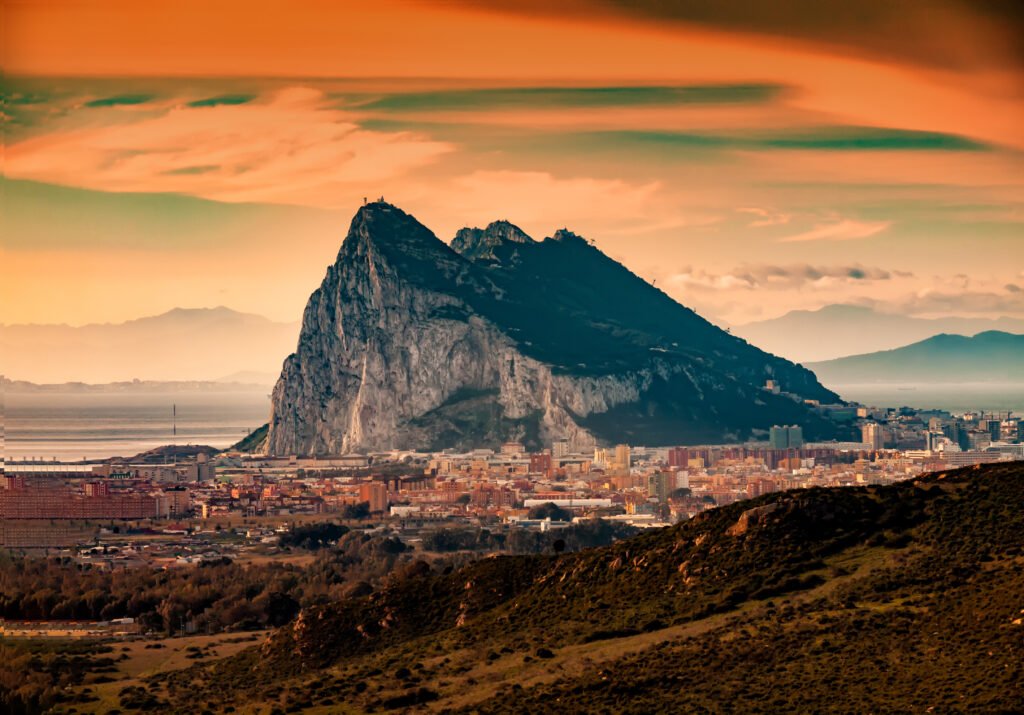
After more than three decades, Gibraltar may finally be removed from Spain’s list of non-cooperative tax jurisdictions. The Spanish Ministry of Finance has published a draft ministerial order proposing Gibraltar’s removal from the list, reflecting the significant progress made in recent years regarding tax cooperation and information exchange between Spain, Gibraltar and the United Kingdom. While the measure is not yet fully in force, it could represent one of the most important developments in Spain-Gibraltar tax relations in decades. Why Does This Matter? For many years, Gibraltar’s inclusion on Spain’s tax haven blacklist created additional tax scrutiny and restrictions for individuals and businesses operating between both jurisdictions. Although Gibraltar has already been subject to extensive cooperation agreements and transparency measures, its formal classification as a non-cooperative jurisdiction continued to trigger specific anti-avoidance rules under Spanish tax legislation. Removing Gibraltar from the list would not eliminate reporting obligations or tax compliance requirements. However, it would remove an important layer of automatic restrictions that has historically affected cross-border activities. Potential Impact on Frontier Workers One of the areas generating the greatest interest is the possible impact on the Spanish tax exemption under Article 7.p of the Personal Income Tax Act. This exemption allows qualifying employees to exempt up to €60,100 per year of employment income attributable to work physically carried out abroad. Historically, Gibraltar’s status as a tax haven has been one of the key arguments used by the Spanish tax authorities when challenging the application of this exemption. If Gibraltar is formally removed from the list, this obstacle would largely disappear. Of course, taxpayers would still need to satisfy all the standard legal requirements of Article 7.p, including proving that the work was effectively performed abroad and that the relevant conditions established by Spanish tax law are met. Nevertheless, the change could provide significantly greater legal certainty for many frontier workers and international professionals operating between Gibraltar and Spain. What Could This Mean for the Costa del Sol? The Costa del Sol has long benefited from its proximity to Gibraltar. Thousands of professionals, executives and entrepreneurs live in areas such as Sotogrande, Manilva, Estepona and Marbella while maintaining business or employment connections with Gibraltar. Greater tax clarity and improved cross-border cooperation could further strengthen the region’s attractiveness for international talent and investment. As global mobility continues to grow, legal certainty becomes increasingly important when individuals and businesses decide where to live, work and invest. Not Yet in Force It is important to remember that the proposed change is currently part of a draft ministerial order and remains subject to the formal approval process. If approved in its current form, the measure is expected to apply to tax periods beginning after its entry into force. For professionals, employers and investors with interests on both sides of the border, this is a development worth monitoring closely. After decades of complex tax relations, Spain and Gibraltar may finally be entering a new chapter based on greater transparency, cooperation and certainty.
Wann ist der beste Zeitpunkt, um eine Immobilie in Marbella zu kaufen?
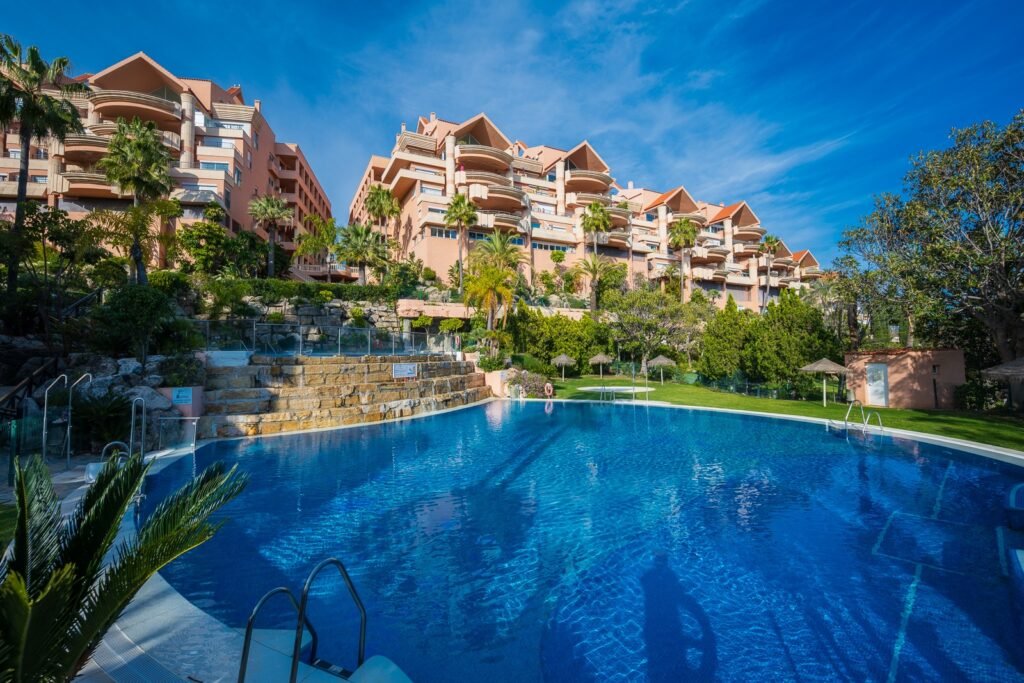
Warten Sie auf den perfekten Zeitpunkt zum Kauf? Die Vorstellung, „das beste Schnäppchen aller Zeiten“ zu finden, ist verlockend, doch in Wirklichkeit ist dies einer der häufigsten Fehler, die Käufer begehen. Kann man den Immobilienmarkt wirklich zeitlich genau abstimmen? Die einfache Antwort lautet: Niemand kann den Markt perfekt timen. Käufer glauben oft, dass sie es können: Doch sowohl die Logik als auch die Geschichte zeigen, dass dies nicht dauerhaft möglich ist. Sie können Trends analysieren, Preisbewegungen verfolgen und verstehen, wohin sich der Markt entwickelt, aber es gibt eine grundlegende Wahrheit: Sie wissen erst, dass der Markt seinen Tiefpunkt erreicht hat, wenn er wieder zu steigen beginnt. Sie wissen erst, dass er seinen Höhepunkt erreicht hat, wenn er wieder zu fallen beginnt. Mit anderen Worten: Perfektes Timing ist keine Strategie, sondern Glück. Die zwei Arten von Käufern Im Immobilienbereich gibt es im Allgemeinen zwei Arten von Käufern: 1. Markt-Timer Sie warten und hoffen, dass die Preise weiter fallen. Sie hinterfragen jede Gelegenheit: „Was, wenn es noch tiefer geht?“ Das Problem ist, dass der Markt, sobald sie sich sicher fühlen, bereits wieder steigt und die Gelegenheit verpasst ist. 2. Strategische Käufer Sie verstehen, dass der richtige Zeitpunkt nicht perfekt vorhergesagt werden kann. Stattdessen: Diese Käufer versuchen nicht, „den Markt zu schlagen“ – sie arbeiten mit ihm. Der Mythos vom perfekten Geschäft Der Versuch, am absoluten Tiefpunkt zu kaufen oder am absoluten Höchststand zu verkaufen, ist keine Strategie. Am Höchststand zu kaufen ist kein Fehler – es ist oft nur schlechtes Timing. Am Tiefpunkt zu kaufen ist keine Kunst – es ist oft nur Glück. Die erfahrensten Anleger wissen das. Und kluges Geld jagt niemals dem Glück hinterher. Wo kluge Käufer agieren: Die „sichere Zone“ Anstatt endlos zu warten, konzentrieren sich erfahrene Käufer auf das, was wir die sichere Zone nennen: Hier werden fundierte Entscheidungen getroffen. Eine einfache Methode, das Markt-Timing zu verstehen Stellen Sie sich vor, Sie zeichnen auf einem Blatt Papier eine nach unten verlaufende Linie, die einen fallenden Markt darstellt. Fragen Sie sich nun: An welchem genauen Punkt können Sie sagen, dass der Markt den Tiefpunkt erreicht hat? Das können Sie nicht – nicht solange er noch fällt. Erst wenn die Linie eine Kurve macht und wieder nach oben geht, erkennen Sie, wo der Tiefpunkt lag. Dann ist die Gelegenheit bereits verpasst. Wann ist also der richtige Zeitpunkt, um in Marbella zu kaufen? Die eigentliche Frage lautet nicht: ❌ „Ist dies der absolut tiefste Punkt?“ Sondern: ✅ „Ist dies eine gute Gelegenheit, gemessen an Wert, Lage und langfristigem Potenzial?“ Warum dies in Marbella noch wichtiger ist Marbella ist kein typischer Markt. Er wird bestimmt durch: Dies macht ihn widerstandsfähiger – aber auch wettbewerbsintensiver. Auf den „perfekten Moment“ zu warten, kann bedeuten, einmalige Gelegenheiten zu verpassen, die nicht wiederkommen. Der richtige Ansatz Die erfolgreichsten Käufer konzentrieren sich auf: Denn mit der Zeit: Gut zu kaufen ist immer besser, als zu versuchen, perfekt zu kaufen. Denken Sie darüber nach, eine Immobilie in Marbella zu kaufen? Wir helfen internationalen Käufern, selbstbewusste, fundierte Entscheidungen zu treffen – indem wir die richtigen Gelegenheiten zum richtigen Zeitpunkt identifizieren, ohne uns auf Glück zu verlassen.
Steuert der Immobilienmarkt auf eine Blase zu?

Is the Costa del Sol real estate market heading for a bubble? 2025 Analysis based on economic indicators & market Fundamentals Yes, property prices are growing higher and higher, but let’s be honest, we can’t base investment decisions purely on price trends. To truly understand if the market is sustainable and safe for investment, we need to look deeper at the fundamentals. The Costa del Sol, especially the Golden Triangle of Marbella, Estepona, and Benahavis, has seen remarkable growth over the last five years, especially in selective micromarkets. So, one of the most frequently asked questions among investors stands: Is the Costa del Sol real estate market heading for a bubble? To answer this, we compare today’s market with the conditions that caused Spain’s last bubble (1995-2007) and its crash (2008-2013). Understanding these warning signs is essential to determine whether current growth is healthy or overheating. What defines a real estate bubble? (Spain 1995-2007) Spain’s previous bubble was driven by a dangerous mix of cheap credit, speculativebuying and construction far beyond real demand. 1. Excessive credit growth Between 2000 and 2004, household mortgage debt in Spain increased at an extraordinary pace, rising around 20% per year according to the valuation company TINSA. By 2007, nearly 60% of all bank lending was for real estate (French Senat report, 2011), and banks routinely over-valued properties, sometimes by up to 29%, to grant higher loan-to-value mortgages (study by Martinez-Paeés & Maza, 2014). One of the clearest warning signs was the Credit Gap, which climbed to 47.3% above its long-term trend in 2007, according to the Bank for International Settlements (BIS). This indicator shows whether credit is growing unusually fast or slowly compared to the economy (GDP). At that time, credit was expanding far beyond sustainable levels, households and developers were accumulating excessive debt, and the system became highly vulnerable. When the credit gap grows excessively, the risk of a crisis increases sharply. 2. Low interest rates and risky mortgage structures Euribor fell to around 2.4% in 2006, which made borrowing extremely cheap and encouraged households to take on large mortgages (Euribor rates.eu). Almost all of those loans, 97.9%, were variable-rate (INE). This meant that when Euribor surged in 2007-2008, monthly payments suddenly increased for millions of households. As purchasing power fell, property demand dropped, and the market correction accelerated. 3. Massive construction oversupply During the bubble years, construction activity tripled, according to the European Central Bank. Spain was building far more homes than the population actually needed: nearly 3 million homes constructed after 2001 remained unsold. On the Costa del Sol, many coastal resort developments expanded rapidly to satisfy speculative buying rather than real residential demand. Prices in some coastal areas rose by around 250% between 1996 and 2007, forming an inflated and unstable market (TINSA). 4. GDP overdependence on construction By 2006, construction represented nearly 12% of Spain’s GDP (Trading Economics). The economy relied too heavily on construction instead of on productive, diversified industries. This dependence made the economy fragile; once construction slowed, the entire system weakened. 5. Local corruption and poor urban planning (Marbella) In Marbella, the years of Operacion Malaya revealed around 18,000 irregular properties built during a period of disorganised, speculative urban expansion (El Pais, 2021). Weak oversight and illegal building permits allowed uncontrolled construction, which artificially increased supply and contributed to overheating. Do we see these indicators today? (2025) The contrast with today could not be clearer: the main warning signs of the 1995-2007 bubble are simply not present in 2025. Below is the indicator-by-indicator comparison. 1. Credit growth: Healthy, not excessive Mortgage credit is growing at a moderate and sustainable pace. According to BIS data, the credit gap is currently negative, around -31% (Q1 2025), which means credit is expanding below its historical trend, indicating a more stable, and even restrictive, lending trend. Household debt stands at 43.5% of GDP, dramatically lower than the 84% recorded in 2009. There is no sign of households or developers accumulating dangerous levels of debt (see graph below). 2. Mortgage structure: much safer Even though variable-rate mortgages are gaining popularity again, the majority of borrowers now choose fixed-rate mortgages, around 63% in 2024, providing stability even during periods of fluctuating interest rates (see graph below) (INE). With Euribor stabilised around 2.2%, the environment is far more secure than during the previous bubble, when nearly all mortgages were variable-rate and households were exposed to sudden payment increases (Euribor rates.eu). 3. Supply vs demand: A shortage, not an oversupply Spain is currently creating approximately 240,000 new households per year, but only around 100,000 new homes are being built (Instituto Español de Analistas). Population is also 4.3 million higher than in 2007, pushing structural demand upward (Worldometer). On the Costa del Sol, land is limited, planning is strict, and development is controlled. Supply cannot expand fast enough to meet real demographic demand. This is the opposite of the pre-crisis years, when construction outpaced real need and speculation pushed prices higher. Today’s appreciation is driven by genuine supply shortages, not speculation. 4. GDP composition: A more balanced economy Construction now represents only about 5.3% of Spain’s GDP, less than half of what it did during the bubble (Observatorio Industrial de la Construccion). Today, growth is supported by a more diversified economy, which means housing demand is based on broader and more stable fundamentals rather than speculative forces, resulting in a healthier and more resilient market. 5. Regulatory environment: Much tougher and more controlled Urban planning, corruption monitoring and compliance have all strengthened significantly over the last decade. The abolition of the Golden Visa in 2025, stricter rules on short-term rentals, and tighter enforcement of planning regulations have created a more disciplined environment. Speculative or irregular development is far harder to execute today than in the mid-2000s. How about the luxury real estate market on the Costa del Sol? The luxury real estate market is very different from the general housing market. High-end properties tend to be more resilient because most buyers rely on cash
Immobilienmarktbericht Costa del Sol 2026: Prognosen, Trends und Investitionsmöglichkeiten

The Costa del Sol stands today as Europe’s most attractive property market for international investors. While economic uncertainty affects other regions, Southern Spain is experiencing a dynamic surge. Driven by Northern European buyers seeking long-term capital appreciation and an exceptional lifestyle, the market fundamentals here are stronger than ever. The data confirms a structural shift: demand consistently outpaces supply, and premium new-build developments often sell out before or shortly after launch. For early-stage investors, this creates a unique window of opportunity, with participation in new developments often yielding returns exceeding 80% during the construction period. In this 2026 Investor Report, we analyze the data behind this growth. We break down the comprehensive price evolution across 8 key areas, explore why the region faces a structural housing deficit , and provide detailed forecasts for the 2026–2028 period, where total price growth is projected to reach between +28% and +47%. Whether you are looking for a luxury villa in Marbella or a high-yield apartment in Málaga City, this report provides the essential insights you need to navigate the market. Why Costa del Sol is Europe’s Leading Property Market The Costa del Sol has solidified its position as Europe’s most attractive property market for international investors. While traditional markets fluctuate, this region offers a unique combination of long-term capital appreciation, solid rental yields, and an exceptional lifestyle that continues to draw Northern European buyers. However, the current market dynamic is driven by more than just lifestyle. Demand consistently outpaces supply, creating a competitive environment where new-build developments often sell out before or shortly after launch. This pressure creates unique opportunities for early-stage investors, with participation in new developments often yielding returns exceeding 80% during the construction period. This growth is supported by verifiable data: New Demographics: Beyond the traditional European market, there is a fast-growing segment of affluent buyers from the United States, further boosting the luxury and new-build segments. Supply vs. Demand: Understanding the Structural Imbalance To understand the price increases, investors must look at the structural imbalance defining the Spanish market. Spain currently faces a national housing deficit exceeding 700,000 homes, and the Costa del Sol represents the most supply-constrained coastal market in the country. The numbers illustrate a stark reality: This is not a temporary fluctuation; it is a structural imbalance that serves as the primary driver behind the exceptional capital appreciation observed in the region. For investors, this scarcity translates into security. Assets in prime locations are becoming increasingly rare. Price Evolution (2022–2025): A Look at the Numbers The following data focuses specifically on the New-Build Market (2022–2025), where the most significant gains have been recorded. The trajectory shows consistent double-digit or near double-digit growth, reflecting the intense demand for modern, high-quality inventory. Average Price per Square Metre (New-Build) Year Apartments (€/m²) Change Villas (€/m²) Change 2022 3,262 – 2,884 – 2023 3,524 +8.0% 3,144 +9.0% 2024 3,893 +10.5% 3,405 +8.3% 2025 4,323 +11.0% 3,760 +10.4% As the table demonstrates, apartment prices have surged by 11.0% in the last year alone, reaching an average of €4,323/m². This growth is a combination of market-driven price increases and the widening margins for developers in premium locations. Top 8 Strategic Areas to Invest in Costa del Sol (2026 Analysis) The Costa del Sol is not a monolith; it is a collection of distinct micro-markets, each offering unique advantages for different investor profiles. Based on historical price increases and infrastructure development, we have identified the 8 key areas driving the region’s growth. Here is a detailed breakdown of market positioning and price performance for each strategic location. 1. Málaga City: The Cultural & Technological Capital Once seen merely as a gateway to the coast, Málaga has transformed into a cultural, technological, and residential hub. The city now blends historical landmarks with a vibrant modern center, attracting a growing community of digital professionals. Price Evolution (New-Build) Year Price €/m² Growth 2022 2,768 – 2023 3,056 +10.4% 2024 3,558 +16.5% 2025 4,140 +16.4% 2. Marbella: The Global Icon of Luxury Marbella remains the undisputed leader in luxury, offering an unmatched lifestyle with world-class marinas, fine dining, and golf. Neighborhoods like the Golden Mile and Sierra Blanca represent the highest standard of design and investment security in the region. Price Evolution (New-Build) Year Price €/m² Growth 2022 4,150 – 2023 4,600 +10.8% 2024 5,350 +16.3% 2025 6,100+ +14.0% 3. Estepona: The “Garden of the Costa del Sol” Estepona is one of the fastest-growing municipalities, successfully blending Andalusian charm with modern coastal development. As prices in Marbella soar, buyers increasingly choose Estepona as a more accessible alternative that still offers rapid capital appreciation. Price Evolution (New-Build) Year Price €/m² Growth 2022 3,393 – 2023 3,608 +6.3% 2024 4,007 +11.1% 2025 4,376 +9.2% 4. Sotogrande: Exclusive Stability Located at the western end of the coast, Sotogrande is the most exclusive residential community in Southern Europe. Known for its polo fields, elite golf courses, and luxury marina, it is a market defined by high stability and low turnover. Price Evolution (New-Build) Year Price €/m² Growth 2022 7,500 – 2023 8,100 +8.0% 2024 8,450 +4.3% 2025 9,000+ +6.5% 5. Benahavís: Views & Gated Communities Benahavís offers a premium residential environment characterized by spectacular mountain and sea views. It is home to some of the most expensive zip codes in Spain, filled with luxury villas and high-end gated communities. Price Evolution (New-Build) Year Price €/m² Growth 2022 4,000 – 2023 4,300 +7.5% 2024 4,700 +9.3% 2025 5,200 +10.6% 6. Mijas: The Dual Market Mijas offers a unique dual opportunity. Mijas Pueblo provides a traditional, scenic, and peaceful village atmosphere, while La Cala de Mijas has become one of the most in-demand new-build markets on the coast. Price Evolution (New-Build): Year Price €/m² Growth 2022 3,130 – 2023 3,324 +6.2% 2024 3,630 +9.2% 2025 4,004 +10.3% 7. Fuengirola: High Demand & Low Risk Fuengirola is a vibrant coastal city with a stable year-round population and excellent international schools. It is a favorite for investors because it offers low-risk opportunities with consistent rental demand close to all amenities. Price Evolution (New-Build): Year Price €/m² Growth 2022 2,900 – 2023 3,200 +10.3% 2024 3,670 +14.7% 2025 4,200 +14.5% 8. Benalmádena: The Nordic Favorite Combining luxury marinas with family-friendly neighborhoods, Benalmádena boasts strong infrastructure and modern apartments.
Marbella Ost ist zurück: Warum Río Real und Los Monteros 2026 die kluge Wahl sind
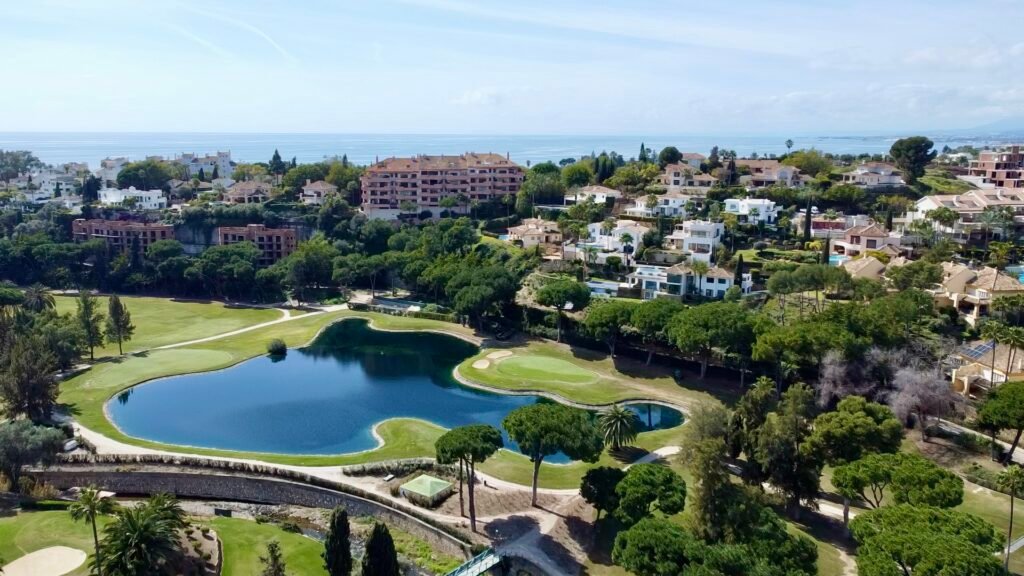
Wenn Sie das richtige Timing verstehen, haben Sie Marbella East bereits im Blick. Internationales Kapital verlagert sich in Richtung Río Real und Los Monteros, und das ist keine Spekulation, sondern strukturell bedingt. Drei starke Signale deuten in dieselbe Richtung: Waldorf Astoria, Four Seasons und die Umgestaltung von Incosol, einem traditionsreichen Wellness-Anwesen, das in einen neuen, auf Langlebigkeit ausgerichteten Zyklus eintritt. Erstklassige Strandgrundstücke sind rar. Meisterschaftsgolfplätze sind rar. Und wenn sich globale Hotelmarken und institutionelles Kapital um beides herum ansammeln, interpretiert der Markt dies als langfristige Überzeugung – nicht als Trend. Genau das ist die Situation, in der sich Marbella Ost derzeit befindet: ikonische Strandlage, etablierte Golfplätze und Großprojekte, die die Nachfrageprofile neu definieren (lange Aufenthalte, Tourismus mit hohen Ausgaben, Markenresidenzen, wellnessorientierte Umsiedlungen). Die 3 Katalysatoren, die den Wandel vorantreiben (Waldorf Astoria, Four Seasons, Incosol) 1) Waldorf Astoria (2029): Bestätigung der globalen Marke in Marbella East Die Ultra-Luxusmarke Waldorf Astoria von Hilton soll 2029 in Marbella eröffnet werden, unterstützt durch eine angekündigte Investition von 220 Millionen Euro durch Higuerón Developments. Der Plan umfasst 120 Hotelzimmer und 120 Markenresidenzen, wodurch sich der Standort an der Spitze der internationalen Luxuskarte positioniert. Was sich dadurch ändert: Globale Marken bauen nicht nur Hotels – sie verändern auch die Wahrnehmung. Diese Art von Ankündigungen führt in der Regel zu einer erhöhten Nachfrage nach erstklassigen Immobilien in der Umgebung (Strand + Golf + Privatsphäre). 2) Four Seasons: Ein entscheidender administrativer Schritt, der die Erwartungen verschiebt Im Februar 2026 genehmigte/beschleunigte die Stadtverwaltung von Marbella die 9 Millionen Euro teuren Urbanisierungsarbeiten für das Four Seasons-Projektgelände in El Pinar (Río Real) – ein wichtiger Schritt, der das Projekt von „lange diskutiert” zu „fortschreitend” bringt. Was sich dadurch ändert: Wenn Genehmigungen und Infrastruktur voranschreiten, hört der Markt auf, Unsicherheiten einzupreisen, und beginnt, Wahrscheinlichkeiten einzupreisen. 3) Incosol: Ein traditionsreicher Wellness-Name tritt in einen neuen Langlebigkeitszyklus ein Die Stadtverwaltung von Marbella erteilte die Genehmigung für die Renovierung und Erweiterung des Hotels Incosol mit einer angegebenen Investition von 87,4 Millionen Euro, wodurch es in einen Fünf-Sterne-Komplex mit Schwerpunkt auf Gesundheit und Langlebigkeit umgewandelt wird. Was sich dadurch ändert: Wellness ist nicht mehr nur ein „Zusatz“, sondern ein wichtiger Faktor für die Attraktivität eines Reiseziels. Die Neupositionierung des Incosol unterstützt die ganzjährige Nachfrage und zieht Langzeitgäste an, was in der Regel die Preisstabilität in der Umgebung stärkt. Was Río Real & Los Monteros anders (und investierbar) macht Río Real – Golf-orientierter Wert und Nähe zum Zentrum von Marbella Los Monteros – Knappheit an Strandlagen mit langjährigem Prestige Für wen diese Gegend am besten geeignet ist (Lebensstil + Investition) Das Fazit Dies ist kein spekulatives Wachstum. Es handelt sich um eine strategische Konsolidierung: Golfanlagen, globale Marken und traditionelle Wellnessangebote vereinen sich in Marbella Ost – während intelligentes Kapital bereits positioniert ist. Wenn Sie Marbella Ost in Betracht ziehen, können wir Ihnen helfen, den richtigen Mikrostandort (Río Real vs. Los Monteros) auszuwählen, das Aufwärtspotenzial zu bewerten und die vollständige rechtliche und technische Due Diligence durchzuführen, damit Sie mit Sicherheit voranschreiten können.